
Historic Jail Has No Releases
The Borden County Sheriff's Office is the first stop for a Borden arrest, but it may not be the office that completed the physical release. The county budget contains prisoner housing expense, and Texas Commission on Jail Standards reports document outside housing. Ask the sheriff where the named person was booked for the relevant date. Garza County has appeared as a receiving county in historical reporting, but that evidence does not establish a permanent arrangement for every booking.
A final event may show bond, time served, a court-ordered release, transfer to TDCJ, movement on a writ, or delivery to another agency holding a detainer. Only the first group normally describes departure to the community. A transfer ends one custodian's hold and starts another. The physical jail's final entry should identify the timestamp, code, and destination. The Borden criminal file then explains the judicial authority.
| Record holder | What to request |
|---|---|
| Borden Sheriff | Arrest report, commitment, and receiving-jail identity |
| Housing jail | Booking card, final release or transfer entry, code definition, property receipt |
| Borden clerk | Bond order, disposition, judgment, sentence, or commitment |
Confirm Modern Borden Releases
No official Borden roster, release feed, archive, or update schedule is published. The official sheriff page points outward to a notification service, not to a local booking database. A direct custodian check is therefore the sound route.
- Give the sheriff the full name, arrest date, and booking number if known. Ask which jail received the booking.
- Contact that jail and ask whether the final event was community release or transfer. Record the exact language and time.
- Request the written booking and release entry, including any coded reason and receiving agency.
- Match the event to the appropriate Borden County court order. The Borden County released-inmate search path explains the full record chain.
The current Texas county notification portal is IVSS-Counties. It can help with status and future alerts where the relevant jail participates. Yet it warns that it is not an official record, and a person no longer in custody may not appear. Use a portal result as a lead, then confirm it with the releasing jail.
Historic Jail Record Routing
Contact the sheriff to identify the destination jail and request the locally held arrest and commitment record. Confirm the office's designated public-information method before sending sensitive identity details. The research found no posted flat Borden fee, so request a written estimate rather than assuming a charge.
Borden County Sheriff's OfficePO Box 115
Gail, TX 79738
Phone: 806-756-4311
Fax: 806-756-4431
Email: ballison@co.borden.tx.us
A narrow request should name the person and booking, then ask for the receiving jail, commitment data, and any release or transfer information held by Borden. Send a separate request to the physical jail for the final log entry. Judicial records go to the County or District Clerk rather than through the executive-branch Public Information Act route.
Historic Jail Custody Contrast
Borden County's sheriff is the arresting and local records agency. It is not an operating county jail with a public roster. TCJS reports and the adopted county budget are better evidence of the current outside-housing model than directory pages that create a generic “Borden County Jail” listing.
This split matters because an arrest report, a jail event, and a court order answer different questions. The sheriff can identify where the person went. The housing jail can state when physical custody ended and whether another agency received the person. The clerk can supply the signed authority. If the jail entry says TDCJ transfer, use the state-prison trail. If it says ICE or federal custody, use that federal custodian's channel.
Historic Jail Versus Releases
The 1896 native-stone jail in Gail survives as a local landmark, but it is not a present detention endpoint. Search engines and directory listings can blur that difference by attaching current-sounding roster language to the old structure. No contemporary Borden County release trail originates from the historic jail.
Modern custody evidence points outward. The budget pays for prisoner housing, and commission reports have listed Borden prisoners elsewhere. Anyone trying to verify a current release should call the Sheriff's Office, identify the actual booking jail, and ignore a directory that treats the stone jail as active. The separate Historic Borden County Jail record page addresses that data-quality trap.
Borden Release Record Fields
A complete request should seek the fields that distinguish release from transfer. Identity may rest on the full name, aliases, date of birth, booking number, and arresting agency. Event data can include booking and release times, charges, court, bond amount and type, holds, release reason, code definition, and destination.
- Bond release
- Departure from pretrial custody while the criminal case and bond terms continue.
- Time served
- Completion of the custodial term credited by the court and jail.
- Transfer
- Movement to another custodian, not freedom from custody.
- Discharge
- End of a sentence or supervision duty, which may occur well after jail release.
Where timestamps differ, preserve each agency's wording instead of choosing one. A court can authorize release before a jail completes processing, and a detainer can cause a later transfer.
Request Borden Release Proof
Texas Government Code Chapter 552 supplies the public-information framework for agency records. A request should ask for existing records, not require staff to answer broad questions. Specify electronic copies, ask for a cost estimate above a chosen amount, and request segregation of public parts if protected data must be withheld.
For the physical jail, request: “For [name and identifier], provide the booking sheet and final release or transfer entry showing date, time, reason, and destination for custody beginning [date]. If a code is used, provide its definition.” Add the property receipt or booking photograph only when relevant. A written record is more durable than a portal screen.
Correct Borden Release Errors
Send a correction request to the creator of the disputed field. The housing jail controls its release code and time. The clerk controls filed judicial entries. TDCJ controls its state status. Include the exact record identifier, the field at issue, and a supporting order or identity document.
Online absence has little force in Borden County because there is no official local released-person archive. Underlying records follow series-specific retention schedules, and some components may survive when others do not. Ask whether the item is classed as a jail register, booking record, offense report, photograph, or property record. Preserve the agency's reply and any revised record.
The 1896 Jail Search Trap
The native-stone jail in Gail is valuable local history, but its survival can mislead a searcher. Directory pages often combine an old building name with a current sheriff address and generic “inmate roster” language. That combination does not make the site a certified jail, create a live booking desk, or establish a released-person archive.
Modern evidence points in the other direction. Borden County budgets prisoner housing outside the county, and TCJS housed-elsewhere reports document that operating model. A photo or historic account of the structure must be labeled as historical. Calling it the current Borden County Jail would turn local color into a false custody claim.
Trace Modern Borden Custody
A current inquiry begins with the Borden County Sheriff's Office, not the landmark. Ask where the person was physically booked and which agency now owns the booking and release record. Garza County has been a documented receiver in historical state reports, though that arrangement cannot be assumed for every arrest date.
- Match the full name, arrest date, and any booking or cause number with the sheriff.
- Record the actual housing jail named for that event.
- Request that jail's final release or transfer entry, including the code definition and destination.
- Match the custody event to the Borden court's signed order or judgment.
If the destination is TDCJ, BOP, ICE, or another county, follow that custodian. A departure from one jail can be a transfer rather than community release.
Historic Versus Current Records
Historic material may answer when the stone jail was built, how it was used, or why it remains a landmark. It cannot answer whether a named person is now confined, when a present-day booking ended, or which release code staff used. Those questions belong to the modern arresting agency, physical jail, and court.
| Question | Correct source |
|---|---|
| History of the old jail | Historical accounts and preservation material |
| Where a Borden prisoner was booked | Borden County Sheriff |
| When physical custody ended | The actual housing jail |
| What the court ordered | Borden County or District Clerk |
When correcting a stale listing, identify the false active-jail claim and cite current official evidence. Do not ask the historic structure to supply records it never created.
Current Borden Jail Evidence
The Texas Commission on Jail Standards reports show why the historic structure must be separated from present Borden custody.
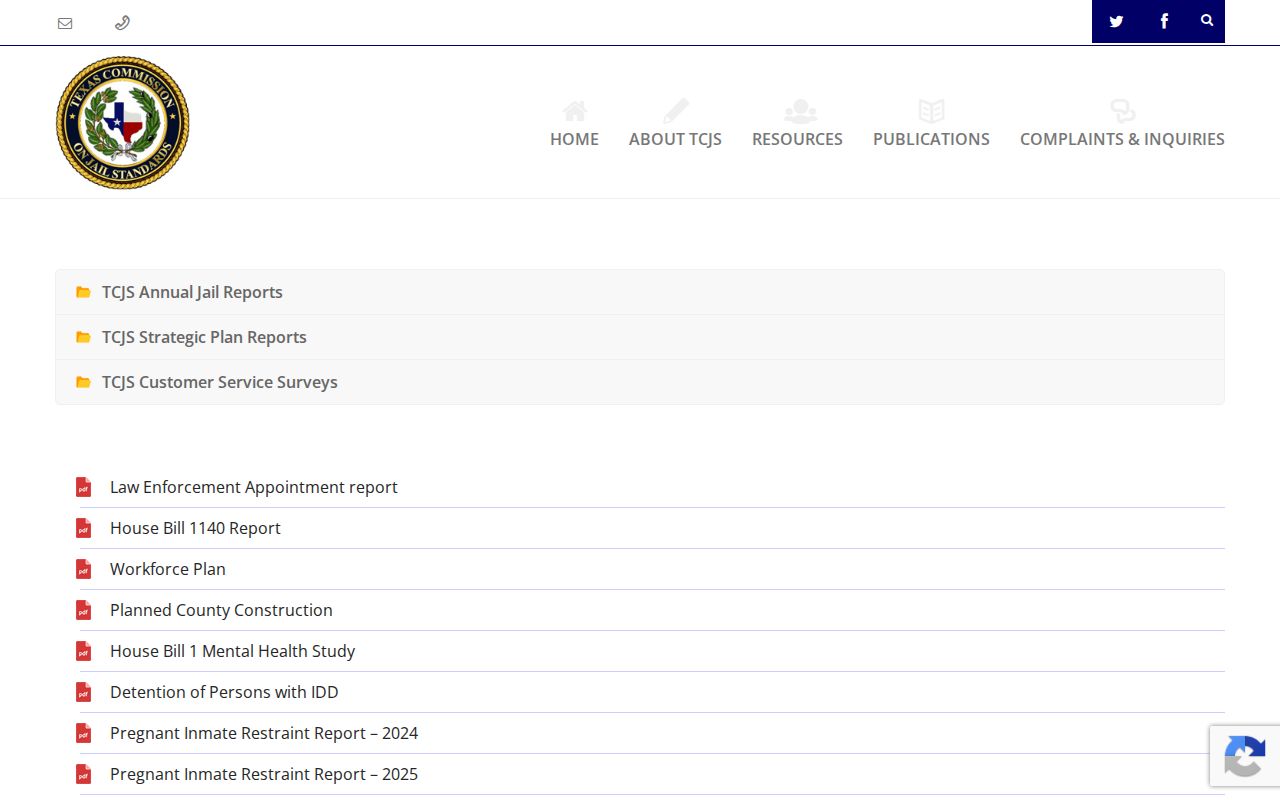
Current housed-elsewhere evidence, not the landmark's survival, determines where a modern release record originates.